
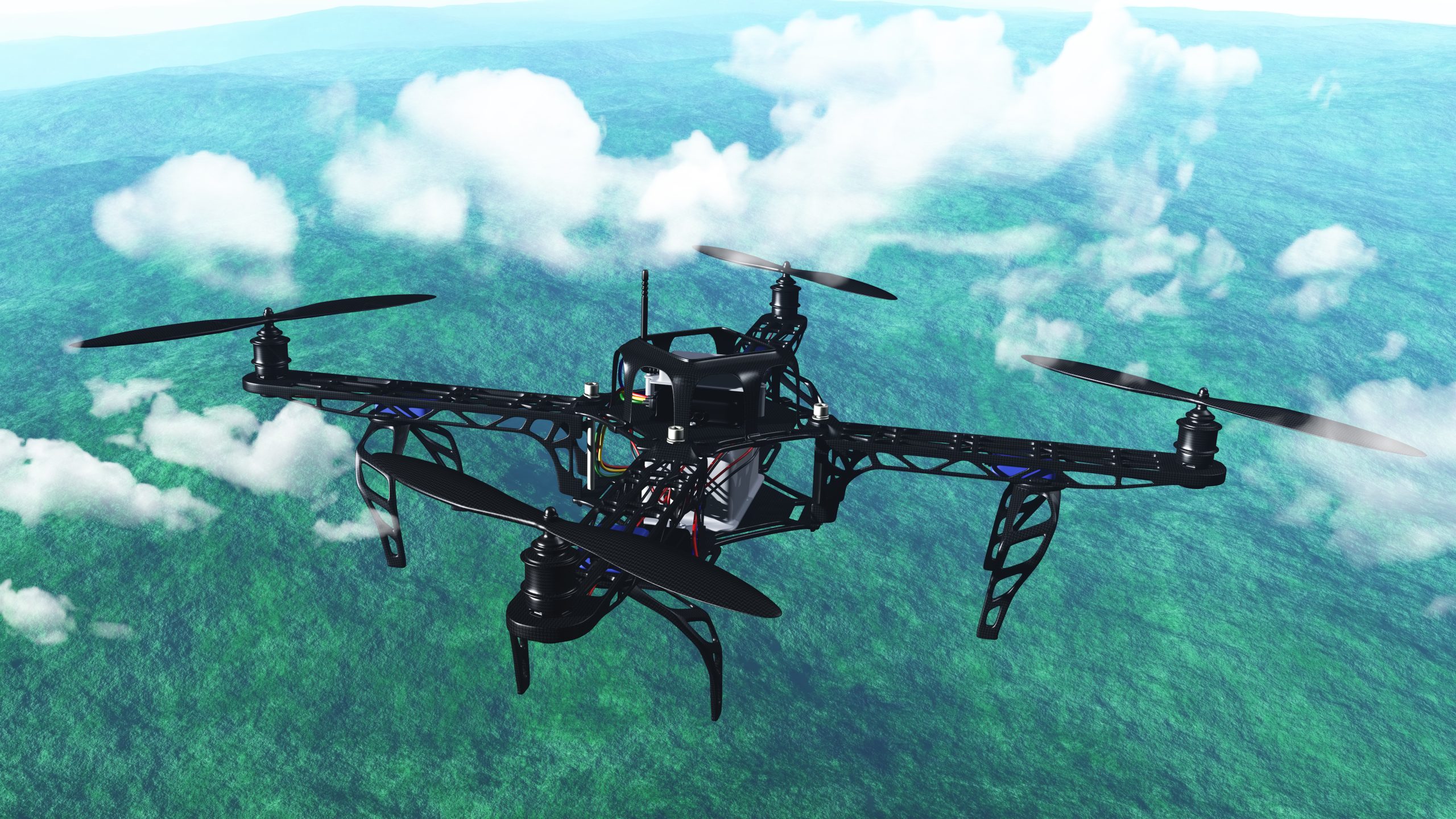
Cities are changing fast with challenges arising to keep people safe as they develop further. One concerning issue is the rise of drones or unmanned aerial systems. Although drones have advantages in areas such as transportation, photography and emergencies they also bring risks especially when misused. In areas, with populations and important infrastructure incidents involving drones could lead to serious outcomes. Counter Unmanned Aerial Systems often referred to as C-UAS technology is crucial in safeguarding security measures.
Understanding the UAS Threat in Urban Environments
Drones are more and more common in cities for tasks like delivering packages and monitoring traffic. There are concerns about their misuse for activities like unauthorized surveillance or smuggling goods illegally which could pose security threats especially in urban areas where important sites like government buildings and airports are concentrated along with crowded public areas. Furthermore drones might disrupt emergency responses or lead to accidents, which raises another level of worry.
What is Counter-UAS Technology?
Counter-UAS technology pertains to systems and tools created to identify, monitor and thwart drones, in urban settings. These innovations play a role in safeguarding cities from the risks associated with malicious drone operations. Whether it involves detecting a drone breaching airspace or disabling a drone transporting cargo, C-UAS solutions are now integral to contemporary urban security approaches.
There are several types of C-UAS technologies, each serving a specific purpose:
- Detection: Detects drones nearby by utilizing radar systems or RF sensors along with cameras.
- Mitigation: Counteraction plan includes options such as disrupting drone signals or seizing control of the drone to prevent activity.
- Neutralization: Disabling a drone involves stopping its operation through methods such as using nets or specialized technology to disrupt its function.
Types of Counter-UAS Technologies for Urban Use
Protecting cities from drone related risks involves utilizing a variety of technologies and strategies tailored to obstacles rather than relying solely on one approach that fits all scenarios. Here are some prevalent technologies used for safeguarding cities, against drone threats;
Detection Technologies
- Radar-Based Systems: Radar systems are used to locate and monitor drones by bouncing radio waves off the object and analyzing the signals that bounce back.
- Acoustic Detection Systems: Use microphones to identify the distinct sounds made by drones.
- RF (Radio Frequency) Sensors: RF sensors are designed to detect and pinpoint drones by recognizing their communication signals.
- Optical Detection: In environments, cameras and sophisticated imaging technologies have the capability to visually monitor drones through optical detection methods.
Mitigation Strategies
- Signal Jamming: Interrupts the communication between the drone and its controller, effectively disabling the drone.
- Drone Capture Technologies: Involves physically capturing drones, often using net-based systems deployed by other drones or ground-based platforms.
- Directed Energy Systems: Use lasers or electromagnetic pulses to neutralize drones without causing collateral damage.
Neutralization Approaches
- Kinetic Methods: Use projectiles or physical force to take down drones.
- Non-Kinetic Methods: Leverage non-destructive means such as signal jamming or cyber-attacks to disable the drone without causing a crash.
Why Cities Need Counter-UAS Technology
The urgency of incorporating Counter-UAS technology in areas is evident as drones present a threat when operating above cities either inadvertently or deliberately. Instances, like drones causing disruptions at airports or being utilized for activities within facilities underscore the disruptive possibilities. Moreover The ability to employ drones for reconnaissance purposes and gathering information on infrastructure raises concerns about security risks and their potential use as a conduit for materials.
Cities with infrastructure like electricity networks and public transportation centers are at risk because they attract groups of people where a drone related incident could have serious consequences. Therefore investing in technology to counter drones is a measure to protect urban areas from potential aerial dangers.
Legal and Ethical Considerations
Using counter drone technology poses ethical dilemmas of its own nature The airspace is closely monitored in various nations and disrupting drones. Even those, with malicious intent. May result in intricate legal scenarios Employing signal blockers or physical takedown measures must be managed cautiously to prevent disruption of legitimate drone activities or unintended consequences
Privacy issues also come up when C-UAS technologies are put into use. Methods of surveillance used to spot drones might violate people’s privacy rights. It is crucial to guarantee that these systems are employed in a manner and only in situations authorized by law. The government needs to set up oversight and regulations to strike a balance, between security requirements and ethical concerns.
Future of Counter-UAS Technology in Urban Security
As drones advance further in their capabilities and functionalities Counter-UAS technology needs to progress. One notable development is the integration of intelligence and machine learning to enhance the precision and swiftness of detection and counteraction efforts. AI plays a role in foreseeing drone behaviors, recognizing drone models and distinguishing between harmless and suspicious activities.
Furthermore the introduction of 5th generation technology is expected to improve the capabilities of Counter Unmanned Aircraft Systems by enabling communication, among sensors, control systems and operators. The future of security is anticipated to feature an increased reliance on automated solutions with AI powered systems being able to identify, evaluate and address threats in time with minimal need for human involvement.
Envision Beyond: Leading the Future of Counter-UAS Solutions
Envision Beyond leads the way, in pioneering Counter-UAS technology innovation, for safeguarding cities amidst the growing complexity of settings and evolving drone threats with solutions that prioritize public safety and city protection seamlessly blending into daily urban life with real time detection and neutralization features.
We stand out due to their dedication to developing cost efficient C-UAS systems that address the requirements of urban security measures effectively. They are regarded as an ally for municipalities and private entities seeking to protect infrastructure and public gatherings because of their specialized knowledge in this area.
In summary
The direction of safety hinges, on our ability to adjust to risks effectively; Counter-UAS technology plays a crucial role in this adjustment process as drones grow in accessibility and potential threat levels increase Cities need to take proactive measures by integrating C-UAS systems to safeguard their airspace Envision Beyond is at the forefront of this initiative, with cutting edge solutions that are both efficient and futuristic. Utilizing their technology tools and systems allows cities to safeguard the well being of their residents and critical infrastructure by addressing emerging risks in our ever changing and intricate environment.