
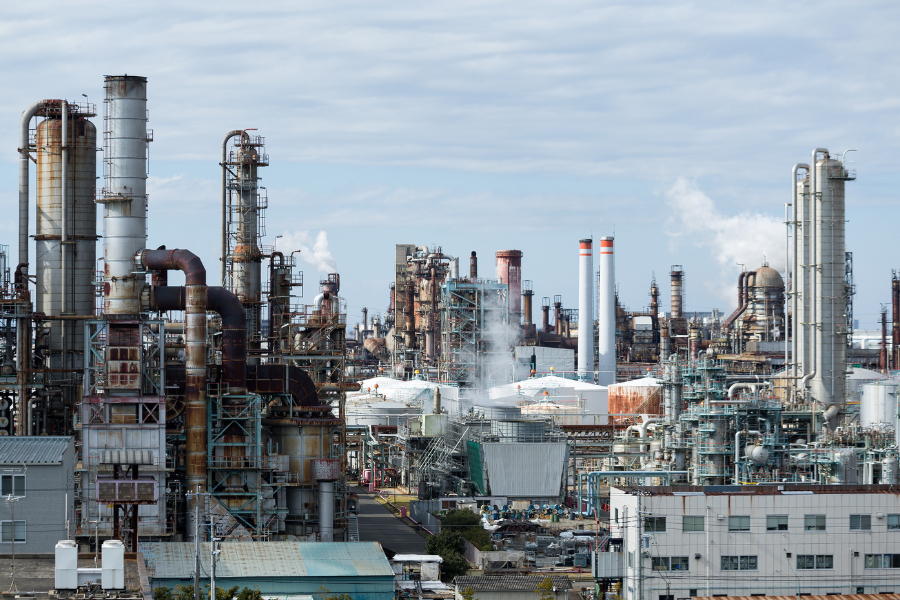
The oil and gas sector plays a role, in the world economy by supplying resources for energy generation and industrial activities despite its negative impact on the environment such as habitat disturbance and pollution from extraction activities and emissions of greenhouse gasses causing global warming issues due, to which there is a growing need for oil and gas companies to embrace eco friendly practices to minimize their environmental impact as we move towards sustainability.
Satellite images are becoming a technology in this aspect by providing methods to enhance exploration effectiveness while reducing harm to the environment. Envision Beyond leads the way in incorporating satellite image solutions that enable the pinpoint discovery of oil and gas deposits with attention to conservation.
The Role of Satellite Imagery in Modern Exploration
Satellite imagery has transitioned from a specialized technology to a mainstream tool in oil and gas exploration. This technology enables companies to collect valuable data on the Earth’s surface and subsurface, allowing for more informed decision-making. The use of satellite imagery can significantly enhance the initial stages of exploration, reducing the time and cost associated with finding new reserves.
- Data Collection Capabilities: Modern satellites provide high-resolution images that can capture details such as geological formations, fault lines, and even changes in vegetation. This data is critical for understanding the subsurface conditions that may indicate the presence of oil and gas.
- Historical Data Access: Satellites continuously collect data, allowing companies to access historical information about specific areas. This can help identify trends, such as changes in land use or geological shifts, that may impact exploration strategies.
- Remote Areas Exploration: Satellite technology is particularly valuable for accessing remote or difficult-to-reach locations where traditional exploration methods would be challenging or cost-prohibitive.
Enhancing Efficiency in Site Selection
Site selection is a crucial step in oil and gas exploration, with significant financial and environmental implications. By using satellite imagery, companies can optimize this process, increasing the chances of success while reducing unnecessary environmental disturbances.
- Pinpointing Promising Areas: Satellite data can be used to identify geological features such as anticlines, faults, and sedimentary basins, which are often associated with oil and gas deposits. This allows companies to focus their efforts on the most promising locations.
- Avoiding Ecologically Sensitive Areas: Satellite imagery helps exploration teams identify ecologically sensitive areas, such as wildlife habitats, wetlands, and protected regions. By avoiding these areas, companies can reduce their environmental impact.
- Reduced Ground Surveys: Traditional exploration often involves extensive ground surveys, which can disrupt the environment. Satellite technology allows for preliminary assessments to be made remotely, reducing the need for physical inspections.
Minimizing Environmental Impact Through Advanced Monitoring
The use of satellite technology extends beyond the initial exploration phase. It plays a vital role in ongoing environmental monitoring, helping companies to track and mitigate the environmental impacts of their operations.
- Detecting Changes in Vegetation Health: Satellites can monitor changes in vegetation, which can indicate potential environmental stressors such as soil contamination, oil spills, or chemical leaks. This early detection allows for prompt remediation efforts.
- Monitoring Water Bodies for Contamination: Satellite imagery can track changes in water quality and detect anomalies, such as oil slicks on the surface of water bodies. This is crucial for preventing water pollution and protecting aquatic ecosystems.
- Tracking Land Degradation and Soil Erosion: Operations like drilling can contribute to land degradation and soil erosion. Satellites can continuously monitor land changes, allowing companies to take measures to prevent further damage.
Reducing the Need for Seismic Surveys
Seismic surveys are traditionally used to locate subsurface oil and gas reserves but can be disruptive to the environment, particularly in marine areas. Satellite imagery offers a non-invasive alternative that reduces reliance on these methods.
- Creating Geological Models: Satellites can be used to collect data on geological formations, which can then be integrated into models that predict where oil and gas reserves may be located. This reduces the frequency of seismic surveys needed.
- Lowering Marine Disruption: Seismic surveys can have a significant impact on marine life due to the loud shockwaves used. By using satellite data to narrow down potential drilling sites, companies can limit seismic activities to only the most promising areas, reducing harm to marine ecosystems.
- Cost Savings in Exploration: Reducing the number of seismic surveys not only benefits the environment but also lowers costs associated with deploying survey teams, equipment, and data analysis.
Cost-Effective Exploration with Fewer Resources
Satellite imagery allows companies to optimize their use of resources, focusing only on areas with the highest potential for success. This results in cost-effective exploration with reduced environmental and financial risks.
- Optimizing Resource Allocation: Companies can use satellite data to prioritize their exploration efforts, directing resources such as personnel, equipment, and capital toward the most viable sites.
- Minimizing Non-Productive Drilling: By accurately identifying promising locations, companies can avoid unproductive drilling operations, which waste resources and cause unnecessary environmental disruption.
- Enhancing Collaboration and Data Sharing: The satellite data can be shared with regulators, partners, and stakeholders, making it easier to comply with environmental standards and collaborate on best practices.
Improving Safety in Exploration Activities
Safety is a paramount concern in oil and gas exploration, especially in remote and hazardous locations. Satellite imagery enhances safety by providing up-to-date information on site conditions and potential risks.
- Identifying Natural Hazards: Satellites can detect natural hazards such as landslides, earthquakes, or flooding, allowing companies to avoid dangerous areas or prepare for potential risks.
- Monitoring Weather Conditions: Satellite data provides accurate information on weather patterns, helping to predict and prepare for extreme weather conditions that could impact operations.
- Detecting Gas Leaks or Pipeline Issues: Satellite technology can identify changes in the surface that may indicate gas leaks or pipeline issues, enabling quick response to prevent accidents.
Integrating Machine Learning with Satellite Data
Combining satellite imagery with machine learning algorithms unlocks new possibilities for analyzing and utilizing the data collected during exploration.
- Identifying Patterns and Anomalies: Machine learning algorithms can analyze satellite data to detect patterns, such as geological formations or vegetation changes, which may indicate the presence of oil and gas.
- Predicting Environmental Impact: By analyzing historical data, machine learning can help predict the potential environmental impact of drilling activities, allowing companies to take preventative measures.
- Automating Data Analysis: The sheer volume of data collected by satellites can be overwhelming. Machine learning helps automate data analysis, making it more efficient and accurate.
Supporting Regulatory Compliance and Transparency
With increasing regulatory scrutiny on the oil and gas industry, satellite imagery provides a means to support compliance efforts and promote transparency.
- Providing Continuous Environmental Monitoring: Companies can use satellite data to demonstrate compliance with environmental regulations by monitoring key indicators such as air quality, water quality, and land use changes.
- Sharing Data with Regulators and Stakeholders: Satellite data can be easily shared with regulatory bodies and stakeholders, ensuring that operations are transparent and adhere to legal requirements.
- Improving Reporting Accuracy: With satellite imagery, companies can provide more accurate and detailed environmental reports, which can help in meeting regulatory standards and improving public trust.
Reducing the Carbon Footprint of Exploration
Reducing the carbon footprint associated with oil and gas exploration is an essential goal for companies looking to operate sustainably. Satellite technology helps achieve this by optimizing exploration processes.
- Reducing Travel Requirements: By accurately identifying viable exploration sites remotely, satellite imagery reduces the need for on-site visits, thereby cutting down on travel-related carbon emissions.
- Supporting Cleaner Extraction Methods: Detailed geological data can guide companies in selecting extraction techniques that minimize emissions and reduce environmental impact.
- Monitoring Emission Levels: Satellites can detect emissions from exploration sites, helping companies track their carbon footprint and implement measures to reduce it.
The Future of Oil and Gas Exploration with Satellite Technology
The future of oil and gas exploration is undoubtedly tied to advancements in satellite technology. As satellite imagery improves in resolution and accuracy, its applications will expand.
- Incorporating Hyperspectral Imaging: Future satellites may use hyperspectral imaging to detect specific mineral compositions from space, further refining exploration techniques.
- Combining Drones and Satellite Data: Integrating data from drones and satellites could provide a more comprehensive view of exploration sites, enhancing decision-making.
- Advancing Data Processing Capabilities: Improved data processing algorithms will allow companies to analyze larger datasets more efficiently, unlocking new insights for exploration.
Conclusion: How Envision Beyond is Leading the Change
Envision Beyond is setting a new standard in oil and gas exploration by offering satellite imagery solutions that prioritize environmental sustainability and operational efficiency. The company’s advanced technology provides clients with accurate, up-to-date data, enabling them to make informed decisions that minimize ecological impact while optimizing exploration strategies.
By choosing Envision Beyond, companies gain access to cutting-edge tools that help them not only comply with environmental regulations but also demonstrate a commitment to sustainability. Envision Beyond is paving the way for a future where energy production can be responsible, transparent, and efficient, ensuring that the pursuit of natural resources does not come at the expense of the environment.