
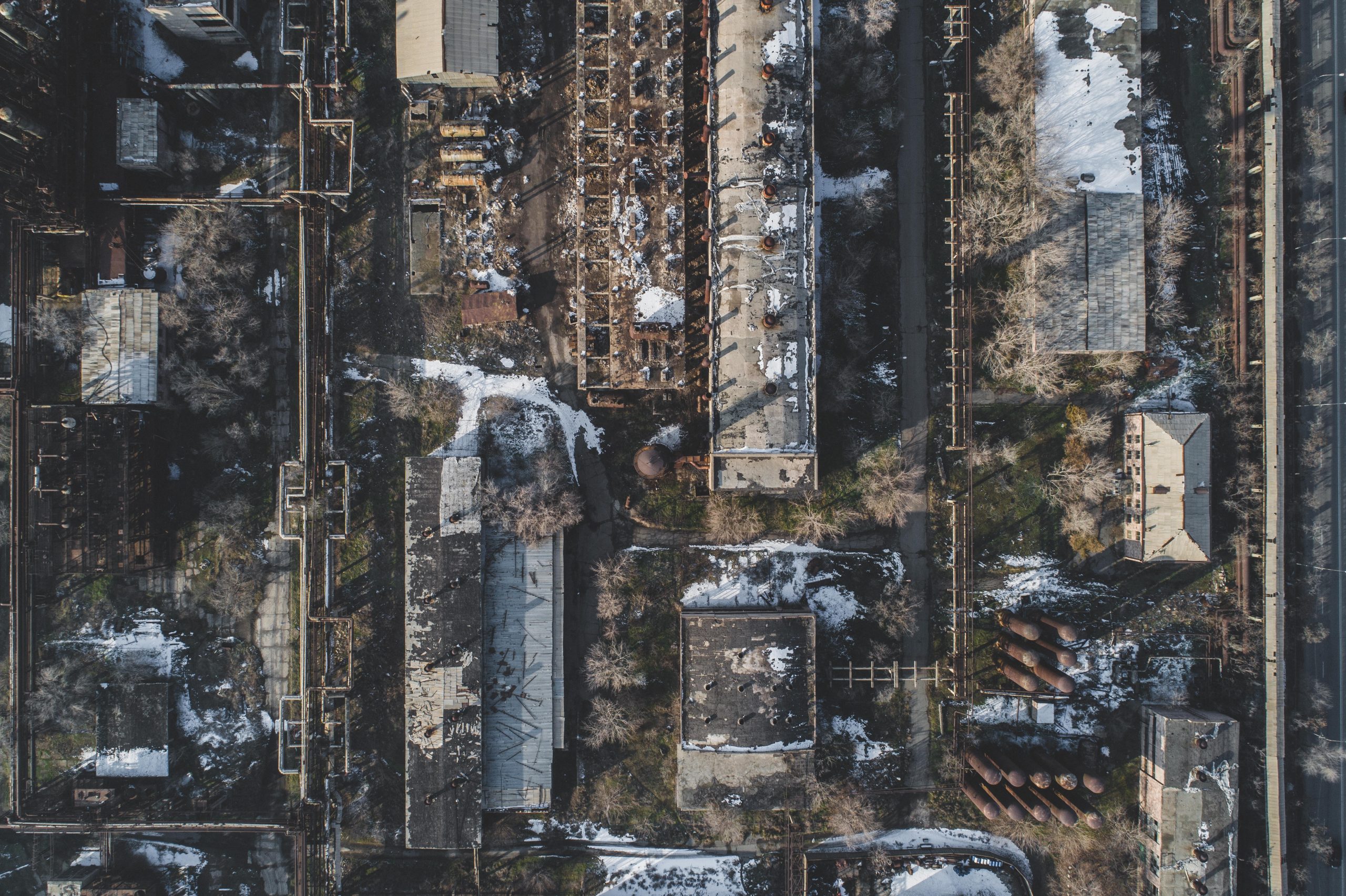
When natural disasters strike a region or an ecosystem is affected by calamities it can cause harm to communities and economies alike, with long lasting consequences that require effective management strategies for recovery and preparedness for the future challenges that may arise in the aftermath of such events. Utilizing satellite technology is crucial in aiding disaster response efforts by providing real time information for action as well, as insights that can guide long term recovery plans and mitigation strategies to reduce risks in the future. Envision Beyond utilizes these tools to assist government bodies and relief organizations in navigating through crises by offering support during emergencies and aiding in the reconstruction and rebuilding efforts that follow disasters.
The Power of Satellite Imagery in Disaster Management
Satellite images play a role, in disaster response by providing evaluations of destruction levels and the impact of disasters like infrastructure damage and environmental consequences from a high up view that gives responders a broad perspective and the ability to focus in detail when necessary during unpredictable events.A combination of satellite data, with ground based information helps decision makers make choices and allocate resources effectively where they are most required.
Why Satellite Imagery Matters in Disaster Response
The significance of satellite images is, in their capacity to provide data from any location worldwide.In situations such as hurricanes,wildfires and earthquakes where the affected regions may be hard to reach or unsafe for on site teams satellite data becomes crucial, in bridging the information gap.
- Damage Assessment: Imagery helps quickly assess the extent of damage to critical infrastructure, such as roads, bridges, power lines, and buildings. This enables authorities to prioritize rescue efforts and allocate resources efficiently.
- Monitoring Ongoing Threats: Natural disasters can trigger secondary threats like landslides or floods. Continuous monitoring through satellite data ensures that evolving risks are identified promptly, allowing emergency teams to act before further damage occurs.
- Resource Allocation: Accurate data on affected areas can help authorities determine where to send emergency supplies, medical aid, and personnel. This minimizes wastage and ensures that support reaches the communities that need it most.
Enabling Real-Time Response
Efficient response times are critical in disasters as they can determine survival outcomes swiftly and accurately by utilizing real time satellite images for decision making despite changing conditions on the ground With the rise of high quality imagery and improvements in cloud technology, real time analysis is now more convenient than ever before.
Rapid Mapping and Real-Time Updates
When a calamity occurs and changes the environment rapidly it’s crucial to have updated maps that accurately show the landscape situation.. Images, from satellites can be analyzed swiftly. Shared in a matter of hours to give time visual updates on road conditions, water levels, and buildings affected by the disaster.. This quick mapping service helps emergency responders by;
- Identifying Accessible Routes: Emergency services need to know which roads are blocked, flooded, or otherwise impassable. Real-time mapping allows responders to plan alternative routes for ambulances, fire trucks, and supply vehicles.
- Tracking Disaster Progression: For events like wildfires and hurricanes, the situation can change by the minute. Real-time satellite monitoring enables agencies to track the progression of the disaster and adjust their strategies accordingly.
- Supporting Remote Coordination: Disaster response often involves multiple agencies operating from various locations. Satellite imagery provides a common operational picture that facilitates coordinated efforts across different teams and jurisdictions.
Satellite Imagery for Long-Term Disaster Planning
Handling emergencies promptly is vital; however; looking ahead and planning for the term is equally important, in lessening the effects of calamities. Learning from satellite records can guide efforts, in minimizing disaster risks; developing areas efficiently; and enhancing infrastructure to withstand future adversities. Envision Beyond utilizes satellite images effectively to aid leaders in establishing communities to face future obstacles confidently.
Using Historical Data to Understand Risks
Analyzing past disaster events helps to identify patterns and predict potential future risks. By studying historical satellite data, planners can:
- Pinpoint Vulnerable Areas: Regions prone to natural disasters can be mapped based on past events. This information can guide the development of early warning systems and evacuation plans tailored to high-risk zones.
- Assess the Impact of Climate Change: Changes in sea levels, deforestation, and urban expansion can exacerbate the effects of natural disasters. Historical imagery allows experts to track environmental changes over time, providing insights into how these factors influence disaster frequency and severity.
- Inform Land-Use Planning: Cities and towns can use data from previous events to make informed decisions about zoning and land-use policies. For instance, restricting construction in flood-prone areas or implementing stricter building codes for earthquake resistance can save lives and reduce future losses.
Supporting Post-Disaster Recovery and Reconstruction
Recovery and rebuilding efforts can be just as complex as the initial response. Satellite imagery plays a key role in post-disaster recovery by helping to prioritize reconstruction projects, monitor environmental restoration, and evaluate the effectiveness of recovery initiatives.
Guiding Reconstruction Efforts
Restoring infrastructure after a disaster requires a clear understanding of which areas suffered the most damage. Satellite data aids recovery efforts by:
- Evaluating Infrastructure Damage: Post-disaster imagery helps identify which structures require immediate repair or complete rebuilding. This accelerates the recovery process by directing resources to the most critical needs.
- Monitoring Rebuilding Progress: Satellite imagery can be used to track the progress of reconstruction projects over time. This ensures accountability and allows planners to adjust strategies as needed to meet recovery goals.
- Assessing Environmental Recovery: Natural disasters often leave a lasting impact on the environment, including deforestation, soil erosion, and pollution. Satellite data provides a means of monitoring ecological recovery, guiding efforts to restore ecosystems to their pre-disaster state.
The Role of AI and Machine Learning in Enhancing Satellite-Based Disaster Management
The integration of artificial intelligence (AI) and machine learning with satellite imagery has transformed disaster management. These technologies enable automated analysis of large datasets, helping to detect changes in the landscape and predict future risks more accurately.
Automating Damage Detection
AI-powered algorithms can rapidly analyze satellite images to identify damaged buildings, flooded areas, and other critical features. This automation significantly reduces the time it takes to generate situational reports, allowing for faster response times.
- Object Detection: AI models trained to recognize objects such as buildings, vehicles, and vegetation can quickly identify damage in affected areas. This speeds up the assessment process and improves the accuracy of damage estimates.
- Change Detection: By comparing pre-disaster and post-disaster imagery, AI algorithms can detect changes in the landscape, such as collapsed structures, new water bodies, or burnt vegetation. This helps emergency teams understand the full scope of the damage.
Predictive Analysis for Risk Management
AI-enhanced predictive analysis enables more accurate forecasting of potential disaster scenarios. By analyzing patterns in historical satellite data, machine learning models can:
- Predict Flood Zones: Algorithms can use topographical data to simulate potential flood scenarios, providing valuable insights for emergency preparedness.
- Model Wildfire Spread: AI tools can predict the likely path of wildfires based on factors such as wind direction, vegetation type, and moisture levels. This information helps firefighters plan their containment strategies.
- Anticipate Landslides: Using data on soil composition, slope angles, and rainfall, machine learning models can assess the likelihood of landslides occurring in vulnerable regions.
Conclusion
Envision Beyond is dedicated to transforming disaster management through the power of satellite imagery. Our solutions enable organizations to respond swiftly to emergencies, strategically plan for future risks, and guide recovery efforts with precision. By leveraging cutting-edge technology, we empower decision-makers to make data-driven choices that save lives, protect assets, and build resilient communities.
Whether it’s supporting real-time response, long-term planning, or post-disaster recovery, Envision Beyond stands ready to provide the expertise and tools needed to navigate the challenges of disaster management. Explore how Envision Beyond’s satellite imagery solutions can elevate your disaster management strategies and help build a safer, more prepared future. Visit Envision Beyond to learn more.